
What a 29% increase in arrivals means for planning, sustainability, and differentiation
Iceland has once again ranked among the world’s fastest-growing tourism destinations, recording a 29% increase in international arrivals. For tour operators, this is not simply positive news. It is a long-term planning signal in a mature, high-demand market.
High demand, higher expectations
Iceland’s growth confirms the continued appeal of nature-based travel. Iconic landscapes and outdoor experiences remain powerful demand drivers. At the same time, maturity brings pressure: travelers expect well-designed itineraries, responsible operations, and meaningful experiences rather than checklist travel. Growth now comes with constraints and accountability.
Market pressure and competition
Rising visitor numbers increase pressure across the value chain:
-
limited accommodation and transport capacity
-
rising costs and tighter margins
-
intensified competition for key regions and seasons
Standardised products become harder to sell without clear differentiation.
Sustainability and wellness as structural trends
Iceland aligns strongly with global sustainability and wellness trends. Demand is shifting toward slower travel, longer stays, and lower-impact experiences. This requires operators to rethink not only routing, but also narrative and pacing. Sustainability increasingly defines perceived quality, not just ethics.
What tour operators should focus on
The current growth phase highlights two clear priorities:
-
rethink seasonality, routing, and regional balance
-
embed Iceland into broader Nordic, cross-border itineraries
Long-term competitiveness will depend on how thoughtfully products are designed, not how much volume they generate.
More on Iceland.
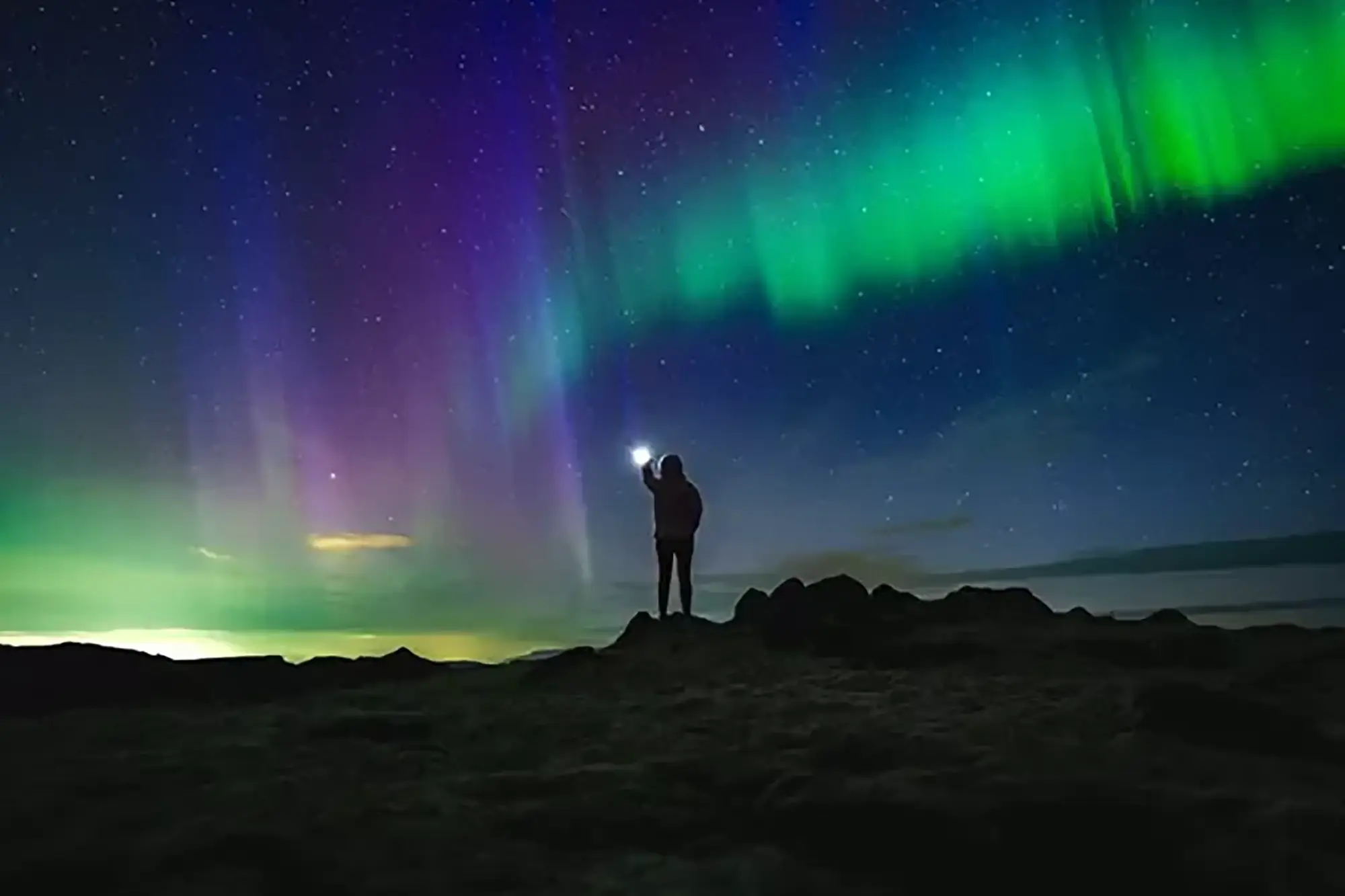
Header: © Rory Hennessey Unsplash
No comments yet
Let us know what you think