
Green by nature: Sustainable journeys across the Nordics & Baltics

Anja
by Anja
2 min read
Dec 8, 2025 9:18:38 AM

Why sustainability feels different in the North, and what it means for tomorrow’s travel experiences

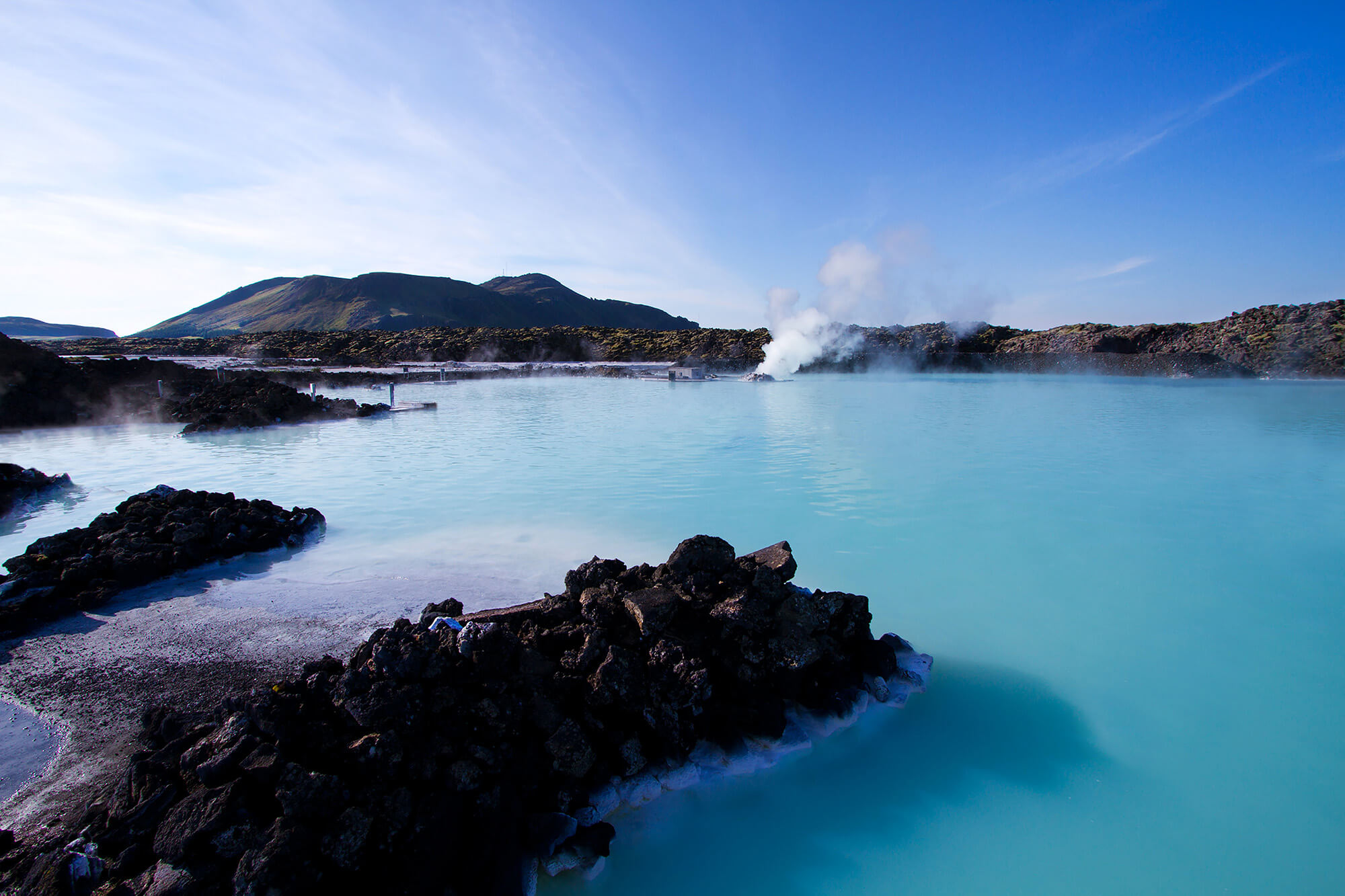
Across the Nordics, Iceland and the Baltic region, sustainability is not a trend or a branding exercise. It is a way of living shaped by northern landscapes, long-standing traditions, and a deep cultural connection to the natural world. Travelers sense it immediately — in the quiet of old forests, the warmth of wooden houses, the ease of moving across islands, or the geothermal comfort of Icelandic spas.

In this environment, sustainable travel doesn’t need to be staged. It unfolds naturally. And this mindset offers tour operators meaningful opportunities for 2026 and beyond.

Nordeuropa 2026_Mushrooms by Tatiana Tochilova Unsplash

©  Tatiana Tochilova Unsplash

Myth vs. reality: What sustainable travel really looks like in the Nordics, Iceland & the Baltics

Myth #1: Sustainability makes travel more complicated.

Reality: In the Nordics, Iceland and the Baltics, it actually simplifies the experience.
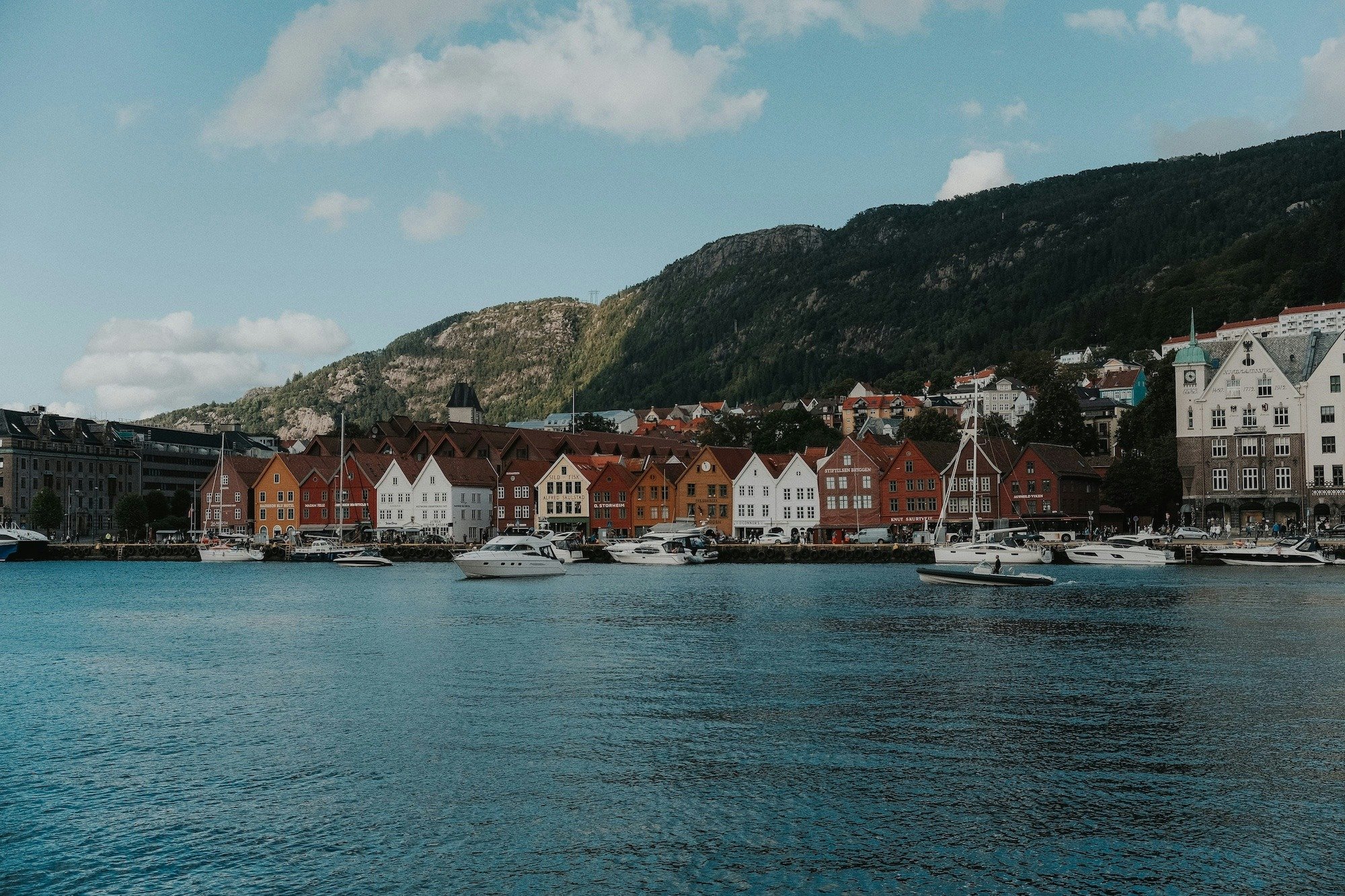
Whether exploring Finnish lakes, Norwegian fjords, Icelandic volcanic landscapes or Estonia’s national parks, journeys follow a calm, nature-led rhythm. Activities are small-scale, natural and intuitive — creating accessible itineraries that feel effortless for travelers and tour operators alike.

Myth #2: Eco-friendly travel means giving up comfort.

Reality: The northern region proves that sustainability and comfort belong together.
Geothermal heating in Iceland, minimalist Nordic design, Baltic wellness traditions, and local, seasonal cuisine create a type of hospitality that is both warm and responsible. Guests rarely think of it as “eco”—they simply experience a sense of balance and well-being.

Myth #3: Sustainable mobility limits how far travelers can go.

Reality: The region offers some of Europe’s cleanest and most diverse transport systems.
Electric and hybrid ferries link Finland, Sweden, Åland and Estonia. Scenic rail routes make cross-country travel low-impact. Iceland invests in renewable-energy vehicle infrastructure, while Baltic and Nordic cities expand their cycling networks and renewable-powered buses.
Clean mobility becomes a selling point — not a limitation.

Myth #4: Sustainable travel is mostly about nature, not culture.

Reality: In the North, culture and ecology are intertwined.
From climate museums in Norway to geothermal heritage in Iceland, from wooden craft traditions in Latvia and Lithuania to Sámi storytelling in Sápmi, cultural experiences reveal how communities live in harmony with their landscapes. Sustainability becomes a cultural narrative, not just an environmental one.

Myth #5: Sustainability only matters in remote areas.

Reality: Cities like Reykjavík, Helsinki, Tallinn, Copenhagen, Stockholm and Riga are sustainability leaders.
Urban travellers encounter renewable energy grids, circular food concepts, energy-efficient architecture, and bike-focused infrastructure. Here, sustainability is embedded in modern city life, not reserved for rural areas.

Myth #6: Travelers only notice sustainability when you talk about it.

Reality: They feel it — in the silence of Swedish forests, the geothermal warmth of Iceland, the sea breeze of Finnish archipelagos, or the stillness of Baltic wetlands.
The region doesn’t rely on messaging. The landscapes, design choices and local habits speak for themselves.


#NordicNews_PLAY Island 15062023 © Frank Denney Unsplash

© Frank Denney Unsplash


Creating sustainable travel for 2026 and beyond

For tour operators, the combined Nordic–Baltic–Icelandic region provides a strong foundation for future-proof travel experiences. Clean transport networks, nature-focused activities, renewable energy, and authentic community-driven tourism make it easy to create itineraries that feel modern, responsible and deeply human.

Whether it’s slow archipelago journeys, geothermal wellness, heritage-based rural stays, climate-focused cultural visits or low-impact outdoor activities, the region offers solutions that meet the expectations of today’s travelers without compromising authenticity or comfort.

Sustainability here is not a performance. It is the natural pace of life and that is what makes journeys in the North so memorable.

The people shaping sustainable Nordic & Baltic travel

NORDEUROPA 2026 brings together suppliers who live these values every day. Meet them, learn from them, and build the next generation of meaningful travel experiences.

👉 Registration is open. Meet the North on 28–29 January 2026.


Header: Shayd Johnson Unsplash

Describe your image

Subscribe to the newsletter

No comments yet

Let us know what you think