


How ferries, islands and coastal cities connect Nordic and Baltic travel experiences
In the Nordic and Baltic region, travel has always been shaped by water. Coastlines stretch endlessly, islands scatter across the sea, and cities grow where land meets waves. For travelers, this creates a natural rhythm of movement. Slow crossings, gentle transitions, and journeys where the way itself becomes part of the experience.
At NORDEUROPA, these patterns surface year after year in conversations between destinations, transport providers and tour operators. What emerges is a shared understanding that sea routes, archipelagos and coastal cities are not obstacles to overcome, but opportunities to design journeys that flow.
For tour operators planning programs, archipelagos and coastal routes offer something increasingly valuable: seamless, sustainable travel that feels intuitive rather than rushed. Here’s how sea-to-city journeys across the Nordics and Baltics are coming together.
The Archipelago mindset
Archipelagos encourage a different pace. Ferries replace highways, islands slow the rhythm, and the sea becomes a link rather than a divide. This creates space to observe, to breathe, and to experience place more deeply.
This mindset fits perfectly with current travel expectations. Guests are seeking fewer flights, softer mobility and itineraries that feel intuitive rather than rushed. In the Nordics and Baltics, geography already supports this approach.
Finland: Forests, ferries and island life
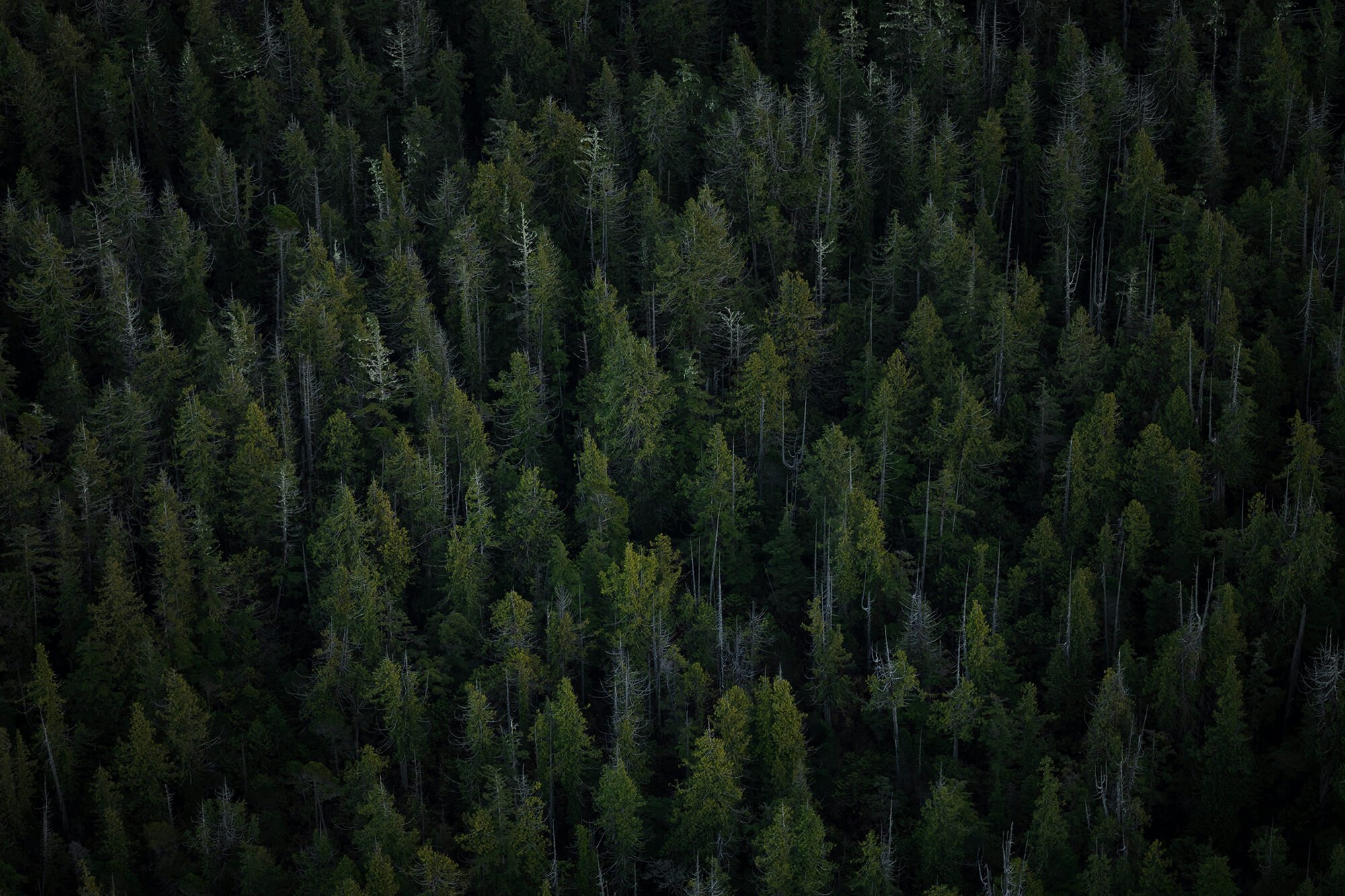
Finland’s coast offers one of the world’s most accessible archipelago regions. Around Turku, thousands of islands form a living landscape where small ferries, cycling routes and local communities are part of everyday life. Island-hopping becomes a natural extension of the journey, not a logistical challenge.
Closer to Helsinki, coastal nature blends seamlessly with urban culture. Forest paths, design districts and island cafés sit side by side, allowing travelers to combine city comfort with nature within short distances. Sea crossings in Finland are calm transitions. Moments that add atmosphere rather than interrupt the experience.
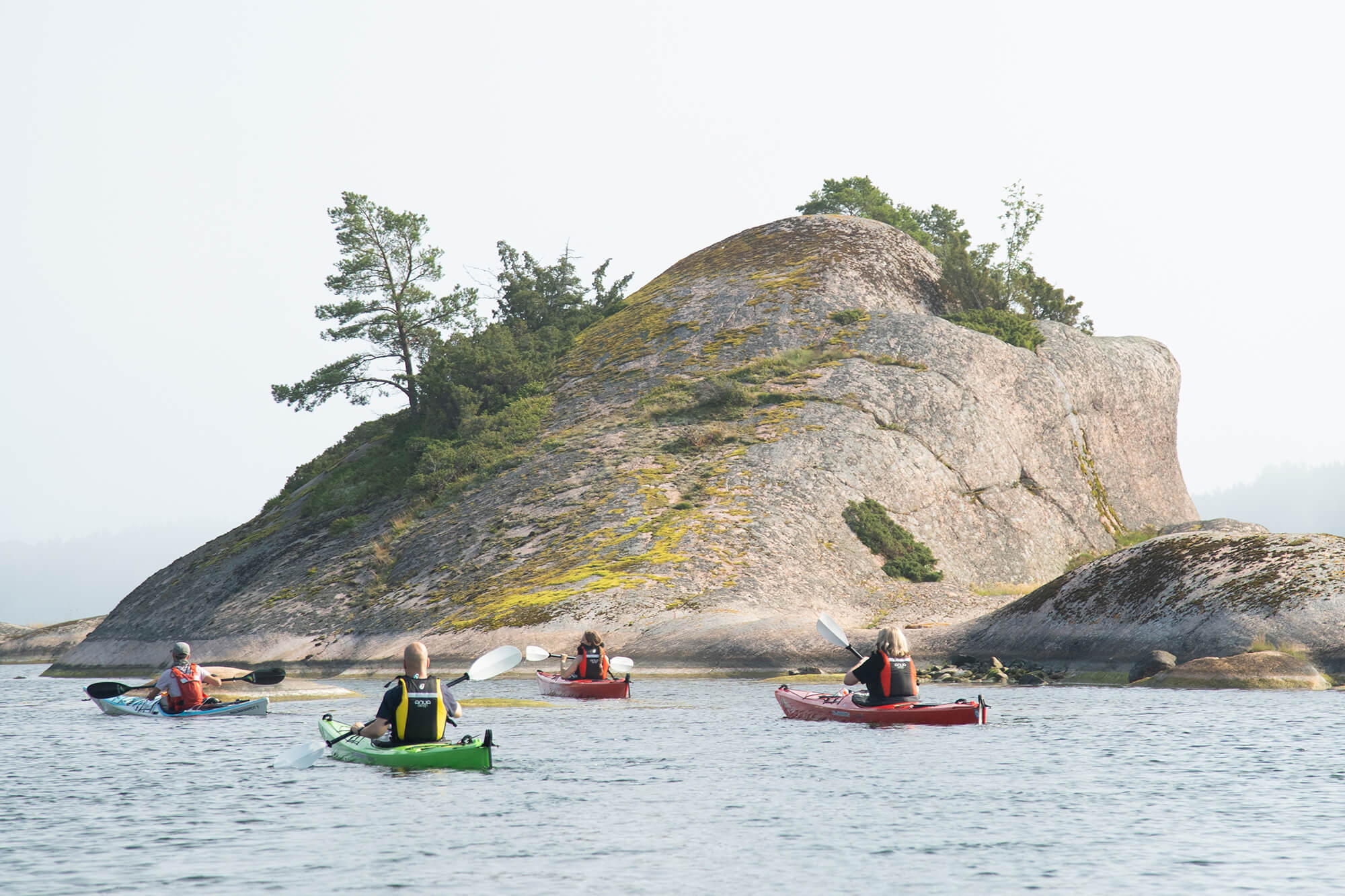 © Visit Turku Archipelago
Denmark: Designed for movement
Denmark is built for flow. Compact distances, strong cycling culture and efficient transport networks make it easy for travelers to move between cities, coastlines and islands without friction.
Here, ferries and bridges are part of daily life, linking communities and landscapes in a way that feels effortless. For tour operators, this translates into highly flexible itineraries. Perfect for travelers seeking slow travel, lifestyle experiences and a strong sense of place without long transfers.
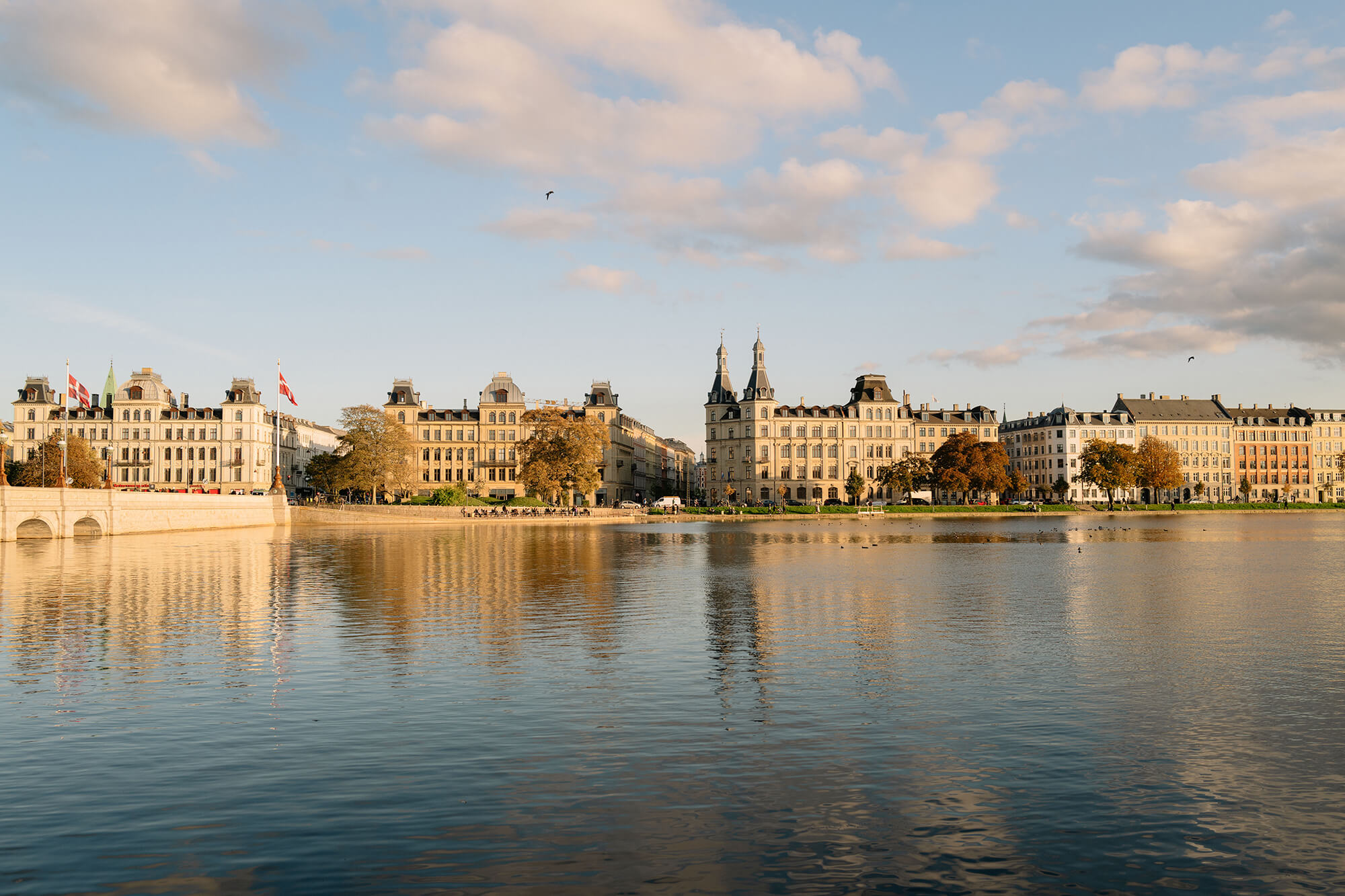 © Daniel-Schäfer Jensen

The Baltics: Quiet coasts, strong stories
The Baltic coastline offers a quieter, often unexpected complement to the Nordics. Estonia’s islands, forests and coastal towns feel intimate and authentic, rewarding travelers who value atmosphere over spectacle.
Short distances and sea connections make it easy to combine Baltic destinations with Nordic routes. For buyers, the Baltics add depth and contrast. A chance to create multi-country journeys that feel coherent, calm and story-driven rather than crowded.
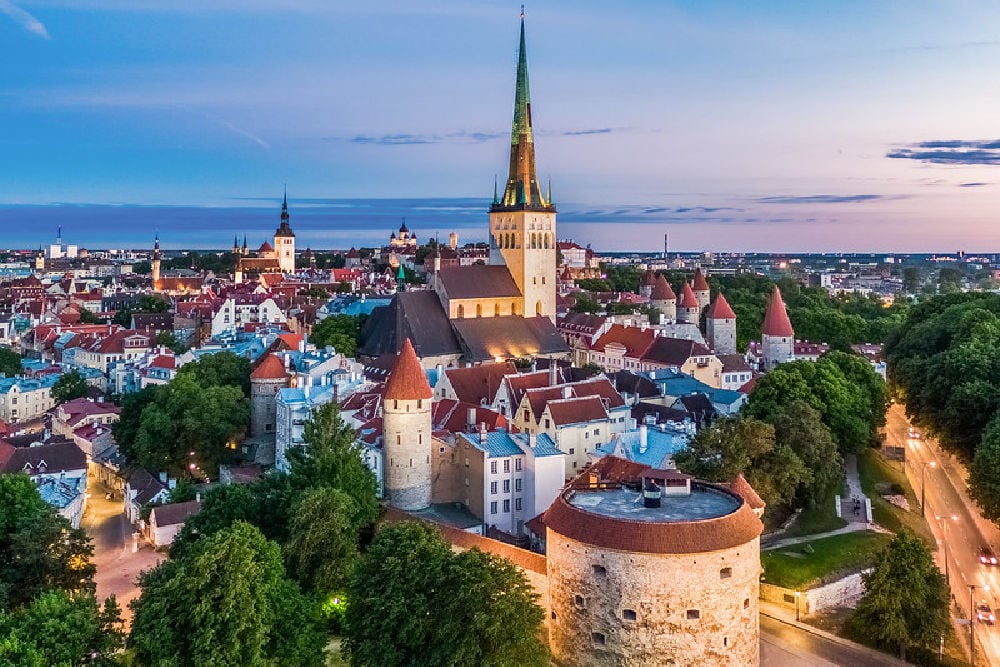 © Visit Estonia
Ferries as part of the experience
In the North, ferries are more than transport. They are part of the travel story.
Overnight crossings, sea views, Nordic cuisine on board and the comfort of cabin travel turn ferry routes into moments of rest and reflection. For travellers, this often becomes a highlight rather than a transition. For tour operators, ferries open up itinerary options that reduce flights while increasing comfort, sustainability and narrative value.
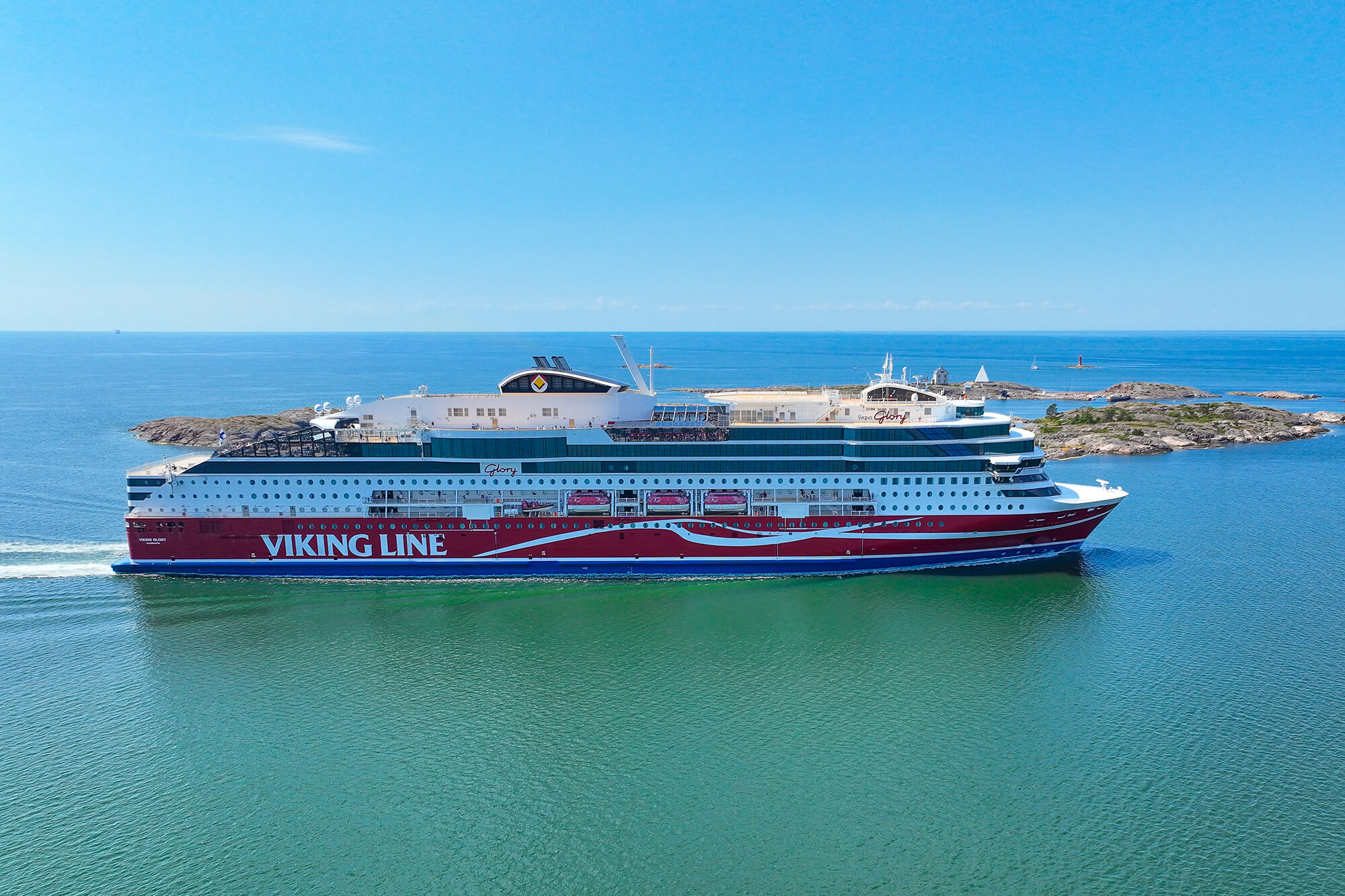 © Viking Line
Why tour operators should think in flows, not stops
Travelers remember how journeys feel. Sea-to-city travel allows programs to breathe. Designing itineraries as connected flows rather than isolated stops supports sustainability goals, improves pacing, and enhances perceived quality. In the Nordic and Baltic region, this approach comes naturally, the geography does much of the work.
Where journeys come together
From island archipelagos to coastal cities, the Nordic and Baltic region offers a way of travelling that feels modern, connected and grounded in place.
NORDEUROPA brings together the destinations, ferry operators and experience providers who make these journeys possible and who understand that movement itself can be meaningful.
Meet the North at NORDEUROPA 2026
📅 28–29 January 2026 | Online
🔗 Register here: nordeuropa2026.converve.io
Header: © Niklas / Unsplash
Share this
Green by nature: Sustainable journeys across the Nordics & Baltics

Arctic Icons: Meet the legends of the North